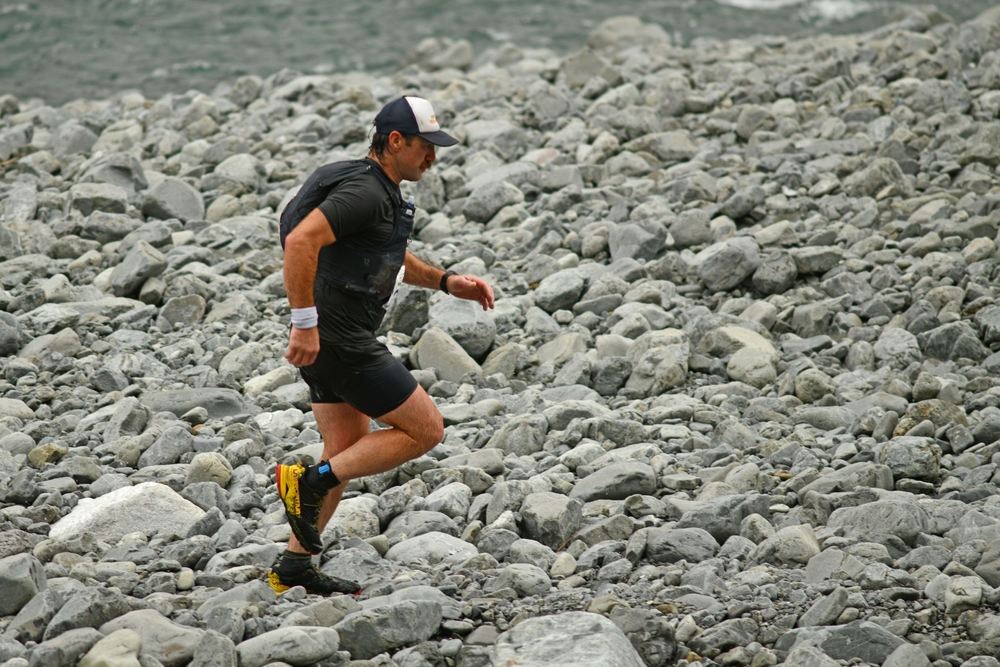
As a physiotherapist, I’ve spent years learning to help people rebuild their bodies after injury. But ACL rehabilitation isn’t just something I’ve guided patients through in the clinic, it’s something I’ve lived through myself. After three ACL surgeries, countless hours of rehab, and the emotional highs and lows that come with long-term recovery, I’ve experienced firsthand what it really takes to come back from this injury.
That dual perspective, both clinician and patient, has shaped the way I approach ACL rehabilitation. I understand the science, the protocols, and the evidence-based strategies. But I also understand the frustration of slow progress, the fear of re-injury, and the mental resilience required to stay the course.
I want to (also my boss made me) share my four biggest takeaways from both sides of the ACL rehab journey. Lessons I’ve learned through personal experience, clinical practice, and working closely with people determined to get back to doing what they love.
If you’re unsure what the ACL is or how it becomes injured, you can start here:
What is an ACL Injury?
It is often believed that an ACL injury can only be managed with surgery; however, this is not always the case, and increasingly people are choosing to take a non surgical approach. Every ACL injury is unique, so management should be based on the specific characteristics of the injury while also considering the individual’s circumstances. Several factors may be taken into account when making this decision, including:
These decisions can be extremely overwhelming and should be guided by a health professional, which leads me to my second biggest takeaway.
You can learn more about your available options in this article by Isaac Serthan here.
Throughout my ACL journey, my physiotherapist Tom was invaluable from start to finish. He supported me by:
If you have recently injured your ACL and are unsure about what to do next, I would strongly encourage you to see an experienced physiotherapist. Having the right guidance, knowledge, and support can make a significant difference in helping you achieve your goals following injury.
As a 16-year-old, being told that I had torn my ACL and would likely be out of sport for the next 12 months was earth-shattering. At that age, sport was a huge part of my life, and the idea of going from training every day of the week to completing rehabilitation for a full year was difficult to comprehend.
Every stage of the recovery process seems to bring its own mental barriers. Whether it’s the first steps without crutches after surgery, the first time hopping, the first run, or the first training session back, each milestone can feel impossible at one stage. When those moments finally become reality, it can be both exciting and confronting.
It’s important to recognise that while ACL rehabilitation is physically demanding, it can be just as mentally challenging. Some strategies that helped me manage the mental pressure included:
The Melbourne ACL Rehabilitation Guide 2.0 by Randall Cooper and Mick Hughes is also a fantastic resource to support this journey, and it’s something I continue to use with my patients.
Once you have completed your rehabilitation and are ready to return to sport, it is normal for the process to feel quite daunting. Following an ACL injury, there is a risk of re-injury, which makes injury prevention an essential focus when returning to sport.
Some key strategies that can help reduce the risk of re-injury include:

Luke literally flying through the air (and scoring a goal) playing Touch Football.
What are the key lessons from ACL rehabilitation?
Consistency matters more than intensity
Strength is critical for long-term recovery
Rehab is not linear
Guidance from a physio improves outcomes
At The Healthy Body Company, our physiotherapists regularly support people through ACL rehabilitation across Penrith, Jordan Springs, Mount Annan, and Caringbah. We combine hands-on physiotherapy with gym-based rehabilitation and structured strength programs to help you return to sport, work, and daily life with confidence.
Our team provides individualised ACL rehab programs based on the latest evidence and tailored to your goals.
If you’re recovering from an ACL injury and want a structured, evidence-based rehabilitation plan, our physiotherapists can help.